When You Need HEPA/ULPA
Any space that must control sub-micron particles-cleanrooms, operating theatres, aseptic pharma, microelectronics, biosafety labs-uses H10-H14 (HEPA) or U15-U17 (ULPA) rated by EN 1822 MPPS efficiency.
Build Types
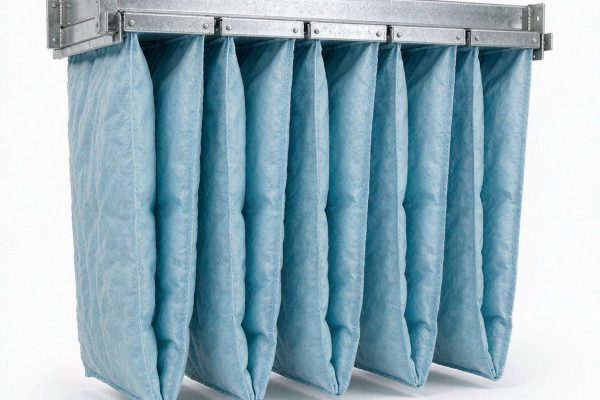
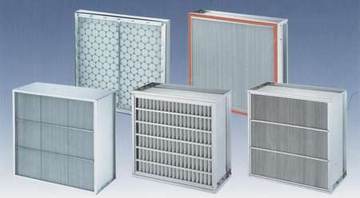
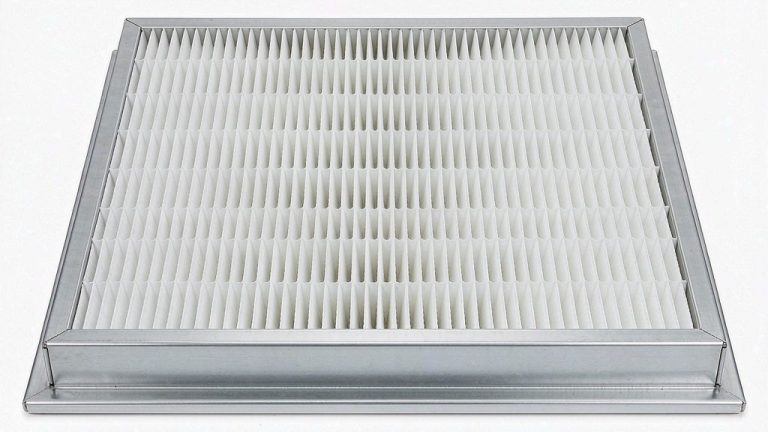
- Mini-pleat (separatorless) – hot-melt bead spacers, deep pleats, low ΔP; the modern standard.
- Separator (paper corrugated) – aluminium/paper separators, robust; traditional box builds.
- Box / ceiling terminals – factory-sealed flanges for cleanroom ceilings; often H13/H14.
- Gel-seal – knife-edge into a gel track for leak-free critical installs.
Typical Specifications
| Class | MPPS efficiency | Initial ΔP | Typical space |
|---|---|---|---|
| H13 | 99.95% | 120-200 Pa | OR, ISO 5, aseptic |
| H14 | 99.995% | 150-250 Pa | ISO 5 critical |
| U15 | 99.9995% (≥0.12 µm) | 200-300 Pa | ULPA ISO 3-4 |
Selection Checklist
- Match class to the cleanroom ISO grade (H13/H14 for ISO 5; U15+ for tighter).
- Specify leakage test (scan) and a frame/seal method (gel, knife, gasket).
- Confirm max temperature and humidity limits of the media.
- Plan PAO/DOP integrity testing at install and annually.
.yc-spec-wrap{margin:36px 0 28px}
.yc-spec-wrap figure{margin:0 0 24px;text-align:center}
.yc-spec-wrap figure img{max-width:100%;height:auto;border:1px solid #e5e7eb;border-radius:8px}
.yc-spec-wrap figcaption{font-size:14px;color:#6b7280;margin-top:8px}
.yc-spec{width:100%;border-collapse:collapse;font-size:15px;margin:8px 0 16px}
.yc-spec th,.yc-spec td{border:1px solid #d1d5db;padding:9px 12px;text-align:left;vertical-align:top}
.yc-spec th{background:#1f3a5f;color:#fff}
.yc-spec tr:nth-child(even) td{background:#f8fafc}
.yc-note{font-size:14px;color:#6b7280;margin-top:4px}
.yc-thumb-row{display:flex;gap:16px;flex-wrap:wrap;margin:0 0 20px}
.yc-thumb-row figure{flex:1 1 240px;margin:0;text-align:center}
Model Range & Specifications
| Modelo | EN 1822 class | MPPS efficiency | Construction | Typical initial ΔP | Final ΔP (replace) |
|---|---|---|---|---|---|
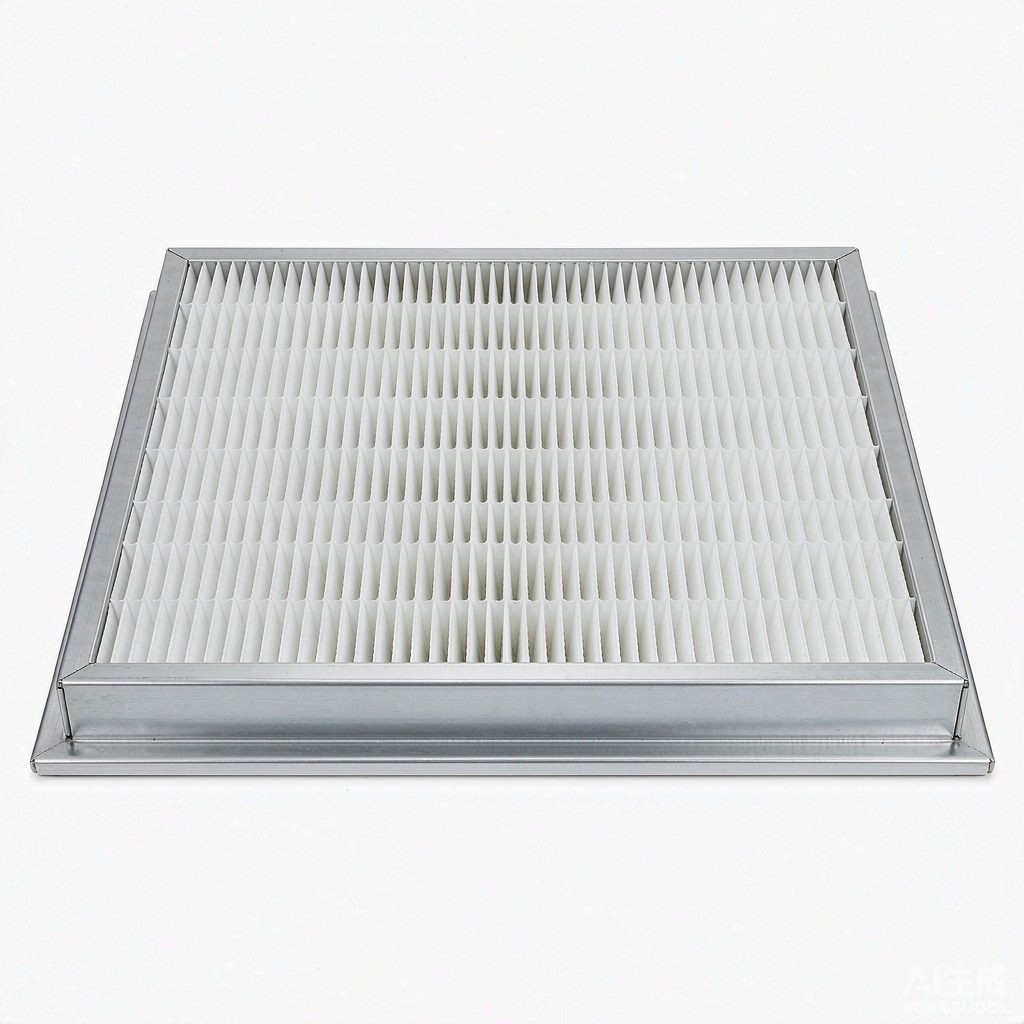
| 26YC-HP-H11 | H11 | ≥ 95% | Minipleat, aluminium frame, 78–292 mm | 100–140 Pa | 450–600 Pa |
| 26YC-HP-H12 | H12 | ≥ 99.5% | Minipleat, aluminium frame, 150–292 mm | 140–180 Pa | |
| 26YC-HP-H13 | H13 | ≥ 99.95% | Minipleat, aluminium frame, 220–292 mm | 200–250 Pa | |
| 26YC-HP-H14 | H14 | ≥ 99.995% | Minipleat, aluminium frame, 292 mm | 230–280 Pa | |
| 26YC-UL-U15 | U15 | ≥ 99.9995% | ULPA minipleat, aluminium frame, 292 mm | 250–300 Pa |
Standard face sizes 610 × 610 mm and 610 × 762 mm, rated 1 000–1 700 m³/h; aluminium-separator versions for high-temperature duty (up to 250 °C with special sealant and frame); every filter individually scanned and tested to EN 1822 with certificate supplied. PU or silicone gaskets, custom sizes on request.
Preguntas frecuentes
What defines HEPA filter efficiency?
Efficiency is rated at the most penetrating particle size, about 0.1 to 0.3 micrometres; H13 is 99.95 percent and H14 is 99.995 percent.
What is the difference between mini-pleat and separator HEPA?
Mini-pleat uses hot-melt separators for a deeper pack and lower pressure drop, while separator types use corrugated foil and are very robust.
When is ULPA filtration required?
ULPA is used in ISO class 3 to 4 cleanrooms where control of particles at or below 0.12 micrometres is needed.
Must HEPA filters be leak tested?
Yes, a PAO or DOP scan after installation confirms media and seal integrity before the space is certified.
Especifique el intercambiador adecuado
Nuestros ingenieros dimensionan el núcleo según su caudal, temperatura y presupuesto de caída de presión, y seleccionan recuperación por placa, rotativa o caloduc según la aplicación. Lea la guía del intercambiador , o contáctenos para una especificación.
Productos relacionados
Recuperación por placa, rotativa o caloduc para HVAC y ventilación.
Núcleos estacionarios de gran superficie para aire y líquido.
Recuperación de energía de alta eficacia para grandes caudales.
Corrientes pasivas y totalmente separadas para aplicaciones limpias.