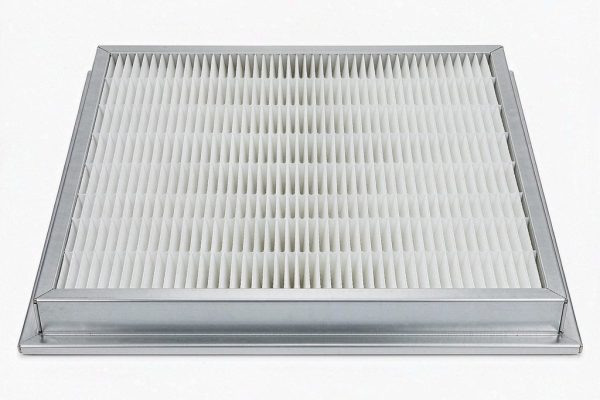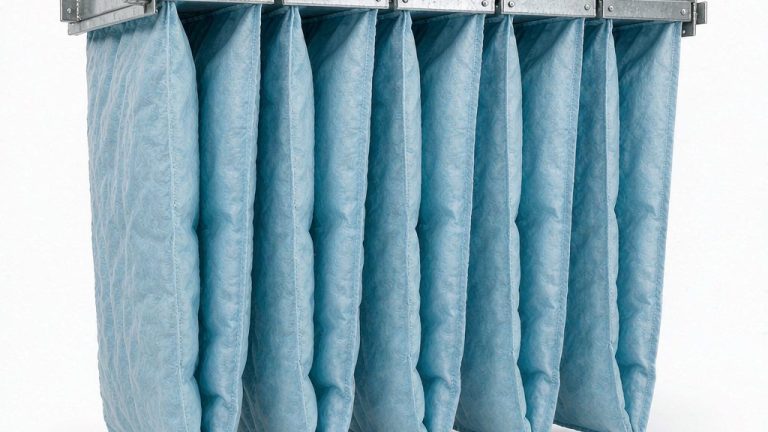
The Three Tiers at a Glance
| Primary (G1-G4) | Medium (F5-F9) | HEPA/ULPA (H10-H14+) | |
|---|---|---|---|
| Removes | Coarse dust, hair, fibres | Fine dust, pollen, microbes | Sub-micron, bacteria, most viruses |
| Initial ΔP | 20-45 Pa | 45-95 Pa | 100-300 Pa |
| Life | 3-6 months | 6-12 months | 1-3 years |
| Costo | Baja | Medium | Alto |
| Typical role | Pre-filter | Final or pre-HEPA | Final in clean/critical spaces |
How They Work Together
A sound design stacks them: G4 pre – F7/F9 medium – H13/H14 HEPA. The pre-filter shields the costly stages; the medium lifts IAQ; the HEPA guarantees cleanliness where it counts.
Picking Your Combination
- Comfort HVAC: G4 + F7.
- Health-care: G4 + F8 + H13 terminal.
- Cleanroom: G4 + F9 + H14 (add U15 for ISO 3-4).
Browse our primary, medium y HEPA product guides for model-level specs.
.yc-spec-wrap{margin:36px 0 28px}
.yc-spec-wrap figure{margin:0 0 24px;text-align:center}
.yc-spec-wrap figure img{max-width:100%;height:auto;border:1px solid #e5e7eb;border-radius:8px}
.yc-spec-wrap figcaption{font-size:14px;color:#6b7280;margin-top:8px}
.yc-spec{width:100%;border-collapse:collapse;font-size:15px;margin:8px 0 16px}
.yc-spec th,.yc-spec td{border:1px solid #d1d5db;padding:9px 12px;text-align:left;vertical-align:top}
.yc-spec th{background:#1f3a5f;color:#fff}
.yc-spec tr:nth-child(even) td{background:#f8fafc}
.yc-note{font-size:14px;color:#6b7280;margin-top:4px}
.yc-thumb-row{display:flex;gap:16px;flex-wrap:wrap;margin:0 0 20px}
.yc-thumb-row figure{flex:1 1 240px;margin:0;text-align:center}
Product Line-up & Side-by-Side Specifications
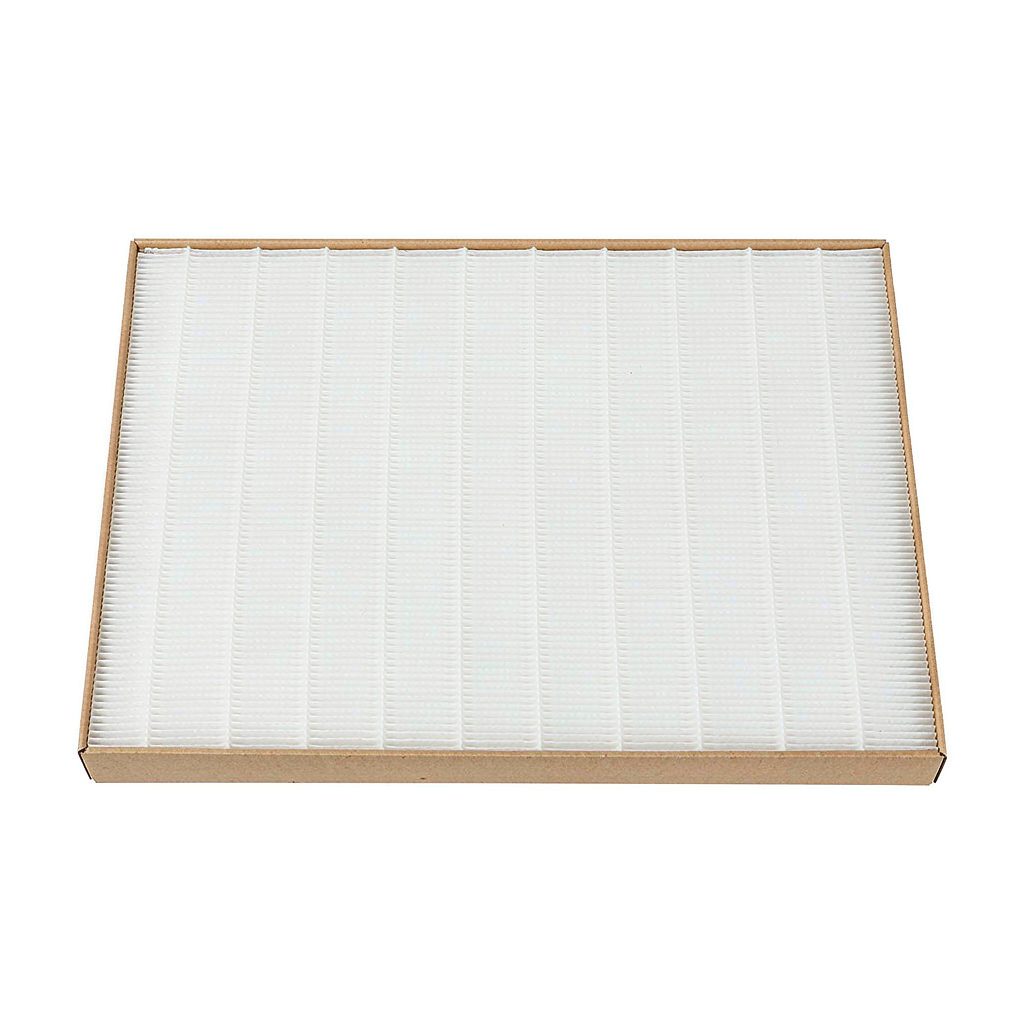
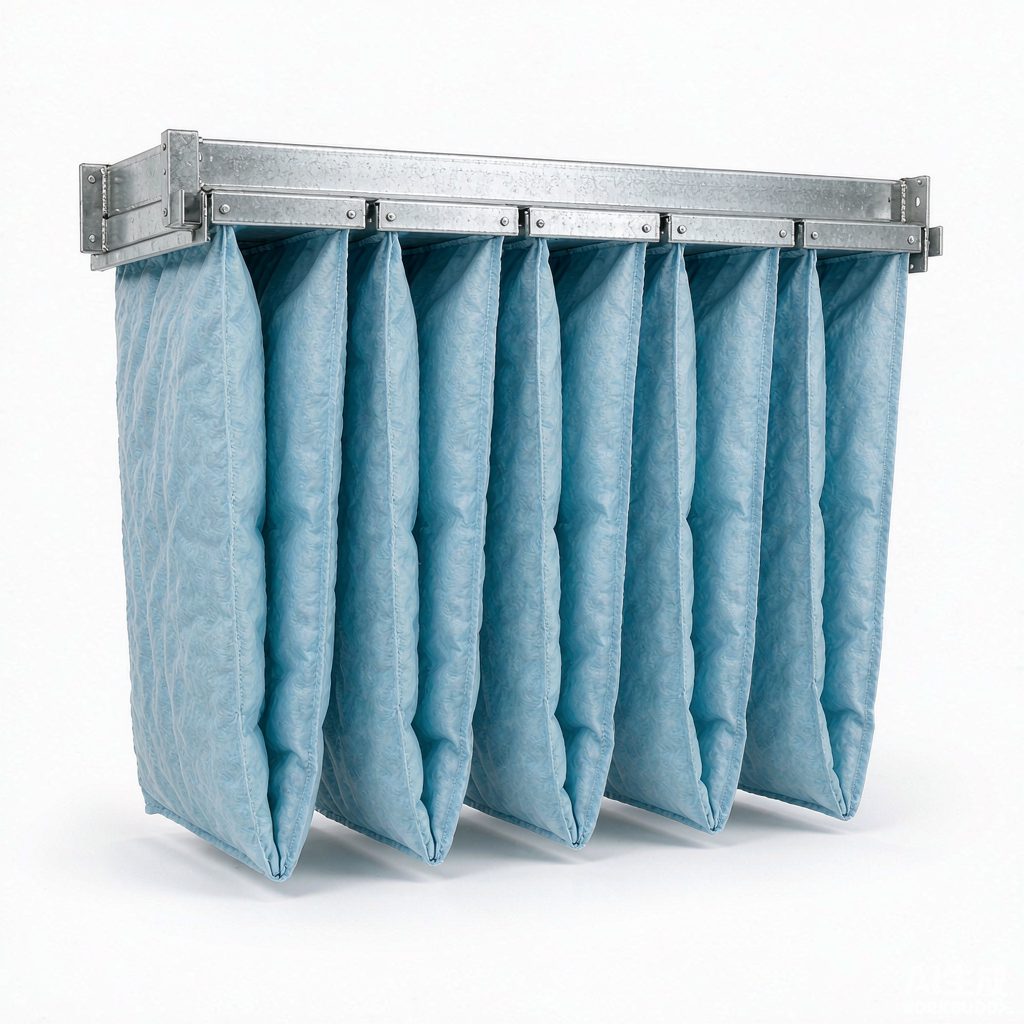
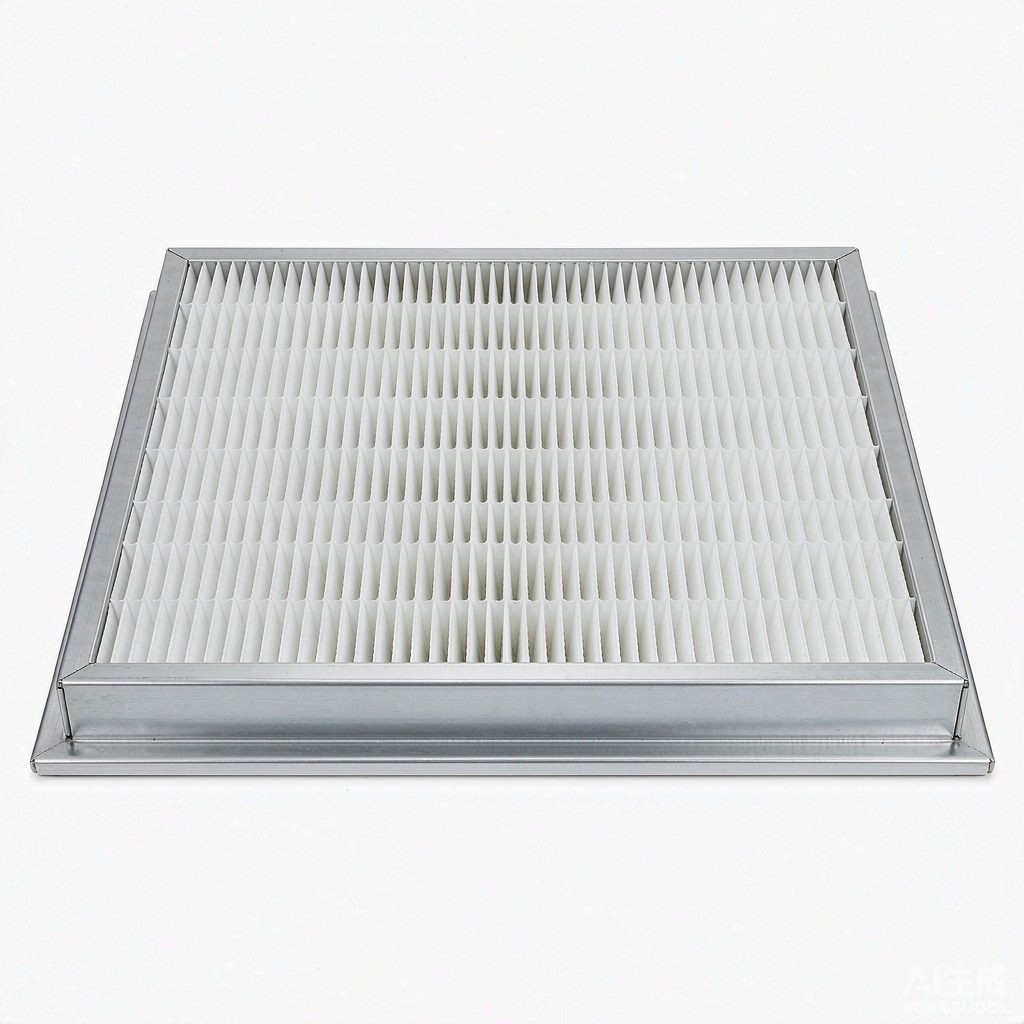
| Parámetro | Primary G4 | Medium F7 | High-efficiency H13 |
|---|---|---|---|
| Norma | EN 779 / ISO 16890 Coarse | EN 779 / ISO 16890 ePM1 | EN 1822 |
| Eficiencia | 90–95% arrestance | 80–90% (ePM1 50–65%) | ≥ 99.95% @ MPPS |
| Position in the filtration train | 1st stage — protects downstream filters | 2nd stage — supply-air quality | Terminal — cleanrooms, labs, operating theatres |
| Typical initial ΔP | 45–70 Pa | 95–130 Pa | 200–250 Pa |
| Recommended final ΔP | 150 Pa | 250–300 Pa | 450–600 Pa |
| Typical replacement interval | 3–6 months | 6–12 months | 1–3 years (ΔP based) |
| Typical applications | Outdoor-air and return-air pre-filtration in AHUs | Offices, malls, food & pharma HVAC | Hospitals, cleanrooms, coating booths, electronics |
Rule of thumb: stage primary → medium → high efficiency in series, and let each stage reach its recommended final ΔP before replacement — this is what protects the more expensive stage behind it.
Preguntas frecuentes
How are the three efficiency tiers distinguished?
They are separated by the particle size they capture and their efficiency: coarse G classes, fine F classes and HEPA H classes.
Which tiers suit a typical office?
A two-stage G4 pre-filter plus an F7 final filter covers general comfort ventilation in most offices.
Why are filters arranged in stages?
Staging lets each tier handle its own size band, protects the finer media and lowers the overall cost of filtration.
Does higher efficiency always mean higher pressure drop?
Usually, but modern media design narrows the gap, so balance energy use against the required level of cleanliness.
Especifique el intercambiador adecuado
Nuestros ingenieros dimensionan el núcleo según su caudal, temperatura y presupuesto de caída de presión, y seleccionan recuperación por placa, rotativa o caloduc según la aplicación. Lea la guía del intercambiador , o contáctenos para una especificación.
Productos relacionados
Recuperación por placa, rotativa o caloduc para HVAC y ventilación.
Núcleos estacionarios de gran superficie para aire y líquido.
Recuperación de energía de alta eficacia para grandes caudales.
Corrientes pasivas y totalmente separadas para aplicaciones limpias.