In the industrial painting field (such as spraying and drying in automotive, home-appliance, and metal-product industries), the production process generates large amounts of high-temperature organic exhaust and hot air, especially in drying ovens, flash-off ovens, and pre-treatment heating sections, where the flue gas contains substantial waste-heat resources. By recovering this flue-gas waste heat, energy consumption can be significantly reduced, thermal efficiency improved, and carbon emissions cut.
The following details from two aspects: process principle and utilization methods:
1. Process Principle of Flue-Gas Waste-Heat Recovery
1. Flue-Gas Source and Characteristics
-
Source:
-
Drying ovens (such as electrophoresis drying, powder-coating drying)
-
High-temperature flash-off ovens
-
Pre-treatment drying sections
-
-
Characteristics:
-
Temperature is generally 120°C–250°C;
-
Contains a certain concentration of volatile organic compounds (VOCs) and a little dust;
-
Usually continuous discharge with stable flow.
-
2. Process Principle
Industrial painting flue-gas waste-heat recovery mainly adopts indirect heat-exchange principle:
using dedicated heat-exchange equipment to transfer high-temperature exhaust heat to air or water media without direct contact with pollutants.
Main technical routes:
-
Heat-pipe exchanger: Achieves heat exchange between the two media via high-efficiency heat-pipe conduction; suitable for high-temperature, low-pressure-difference painting flue gas.
-
Finned-tube exchanger: Enhances heat-transfer area, commonly used for air heating.
-
Hot-air recovery system: Uses recovered hot air for fresh-air preheating, reducing combustion energy use.
-
Indirect water-heating system: Flue gas heats circulating water for spray-water and cleaning-tank preheating.
2. Waste-Heat Utilization Methods
1. Preheat Intake Air (Hot-Air Recovery)
-
Application: Intake system of the drying oven;
-
Method: The heat exchanger heats cold air with recovered heat as preheat for the burner or hot-air blower;
-
Effect: Can reduce 20%–40% of gas consumption and shorten heat-up time.
2. Preheat Process Water
-
Application: Degreasing, cleaning, and phosphating liquids in the painting pre-treatment line;
-
Method: Flue-gas waste heat heats circulating water or a storage tank to maintain process-tank temperature;
-
Effect: Improves pre-treatment stability and saves steam or electric-heating energy.
3. Plant Heating or Hot-Water Supply
-
Method: Heat water with waste heat and connect it to the HVAC or hot-water system via a heat exchanger;
-
Effect: Saves independent heating-system operating cost in winter.
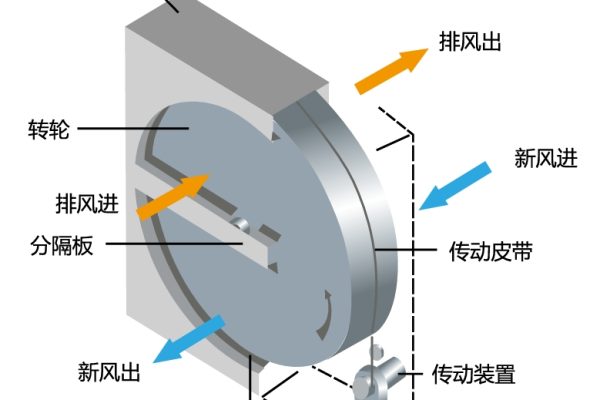
4. Adsorption-Concentration Wheel Preheating
-
Method: In some systems, the VOCs concentration wheel needs heating; using flue-gas heat as the energy supply reduces electric-heating load;
-
Effect: Improves concentration efficiency and lowers treatment-system energy use.
5. Waste-Heat Power Generation (rare)
-
In large, centralized painting shops, higher-temperature flue gas can be used for organic Rankine cycle (ORC) low-temperature power generation, but cost is high and it is usually used only for super-large painting systems.
3. Typical System Composition
-
Exhaust collection system: Ducts, induced draft fan;
-
Waste-heat recovery exchanger: Heat-pipe, finned-tube, or plate structure;
-
Intermediate heat circulation system: Circulation water pump, fan, etc.;
-
Heat-utilization terminal system: Intake preheater, water-tank heater, process heating tank, etc.;
-
Smart control system: Automatically adjusts exchange efficiency and heat distribution by load.
Frequently Asked Questions
Why recover heat from painting oven flue gas?
Oven and flash-off exhaust carry high-temperature heat and VOCs; recovery cuts fuel use and can support VOC treatment.
What temperatures are involved?
Painting exhaust often sits in a high range where sensible-heat recovery to make-up air is attractive.
How is the heat used?
Recovered heat preheats incoming combustion or make-up air, lowering burner load.
What cautions apply?
VOC and dust content require compatible materials and, where needed, abatement integration rather than direct recirculation.