
The Microchannel Heat Exchanger (MCHE) generally delivers higher heat-transfer efficiency than traditional exchangers (such as shell-and-tube or finned-tube types) thanks to its unique design and structural optimization. The following analyzes the efficiency of microchannel heat exchangers:
- High heat-transfer area density: Microchannel heat exchangers use tiny channels (typically 0.5–3 mm in diameter), significantly increasing the heat-transfer area per unit volume. The heat-transfer coefficient is 2–3 times higher than that of traditional exchangers.
- Enhanced turbulence: Fluid flow inside the microchannels is turbulent, promoting heat transfer and reducing boundary-layer thermal resistance.
- Thin-wall design: Microchannels are usually made of highly conductive materials (such as aluminum) with thin walls (about 0.1–0.5 mm), reducing thermal resistance.
- Compact structure: Microchannel heat exchangers are small and lightweight, reducing material heat capacity and improving thermal response speed.
- Low fluid charge: The microchannel design reduces the amount of refrigerant or fluid required, lowering system heat loss and improving cycle efficiency.
Related articles
Heat Exchanger Selection Guide: Plate, Shell-and-Tube, Rotary and More
Heat Exchanger Selection Guide: Differences and Applications of Plate, Shell-and-Tube, and Rotary Exchangers
RESET Air Standard
Commercial Kitchen Heat Recovery: Capturing Energy from Exhaust with Air-to-Air Heat Exchangers
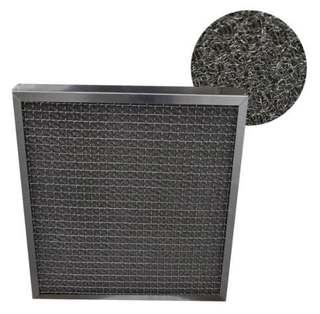
HWS Oil Mist Filter & Salt Mist Eliminator