
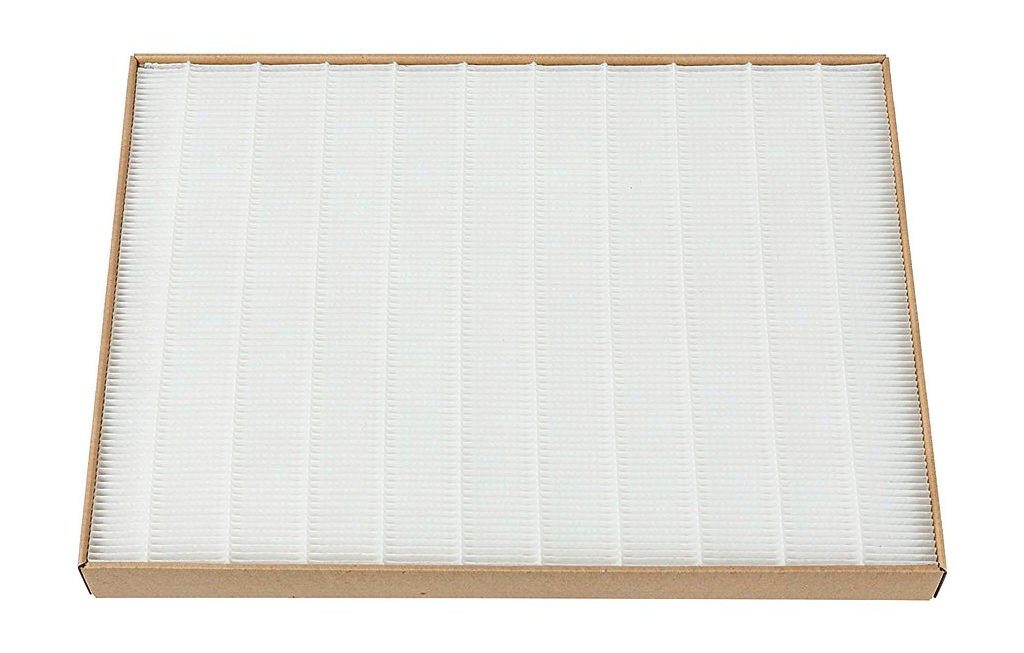
Primary (pre) air filters G1-G4 protect downstream stages and cut cost. Compare panel, pocket, roll and washable types, with specs and a practical selection checklist.
1차 vs 중효율 vs 고효율 필터: 나란히 비교
A one-page comparison of primary (G1-G4), medium (F5-F9) and HEPA/ULPA (H10-H14) air filters-efficiency, pressure drop, life, cost and where each belongs.
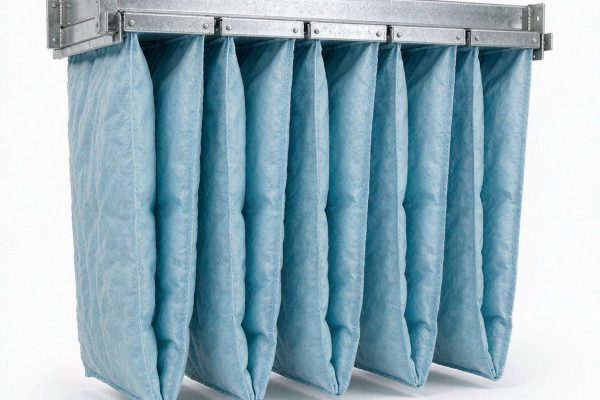
Medium Filters F5-F9: Pocket, Panel, V-Cell & Selection
Medium-efficiency filters F5-F9 are the workhorses of clean commercial and industrial air. Compare pocket, rigid V-cell and panel builds, with specs and selection tips.
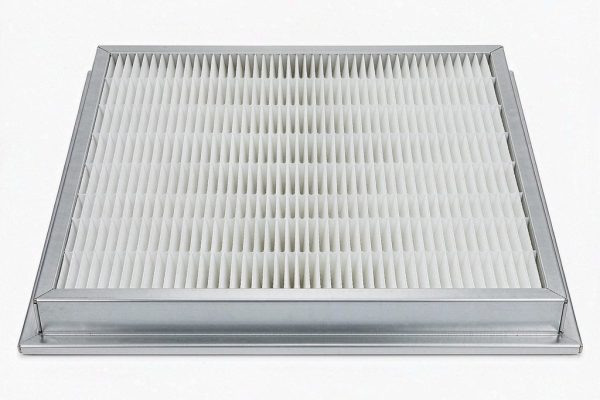
HEPA/ULPA 필터 H10-H14: 유형, 사양, 선정
HEPA and ULPA filters H10-H14 deliver near-total removal of sub-micron particles for cleanrooms, ORs and pharma. Compare mini-pleat, separator and box builds with specs.
공기 필터 기초: 작동 원리와 HVAC 시스템이 이를 필요로 하는 이유
Air filters trap dust, pollen and microbes from moving air. Learn how filtration works, the key terms-efficiency, pressure drop, dust-holding-and why every HVAC system needs one.
Air Filter Maintenance: Pressure Drop & When to Replace
Replace filters on pressure drop, not the calendar. Learn to read a differential manometer, set final ΔP limits, and plan safe changeout for primary, medium and HEPA stages.
어느 공기 필터를 어디에: 산업 및 공간별 적용 가이드
A practical map of which air-filter class fits which space-offices, hospitals, cleanrooms, paint booths, data centres, food and pharma-plus typical two- and three-stage arrangements.
공기 필터 효율 등급: G1-G4, F5-F9, H10-H14
Demystify air-filter ratings-coarse G1-G4, fine F5-F9 and HEPA H10-H14. Understand EN 779, ISO 16890 and EN 1822 so you can specify the right class with confidence.
Choosing Air Filter Material: Fiber, Carbon, Mesh
Filter media is not one material. Compare synthetic fibre, glass fibre, activated carbon and metal mesh on efficiency, temperature, cost and reusability to pick the right media.
Liquid vs Air Cooling for Battery Storage
The Thermal-Management Shift in Grid Storage Utility-scale battery energy storage has moved from 0.5C cabinets to 1C–2C container systems of 3–5 MWh and beyond. At those power densities, keeping every cell in a tight temperature window is no longer optional — it decides cycle life, safety, and usable capacity. That is why the industry is migrating […]