What an Air Filter Actually Does
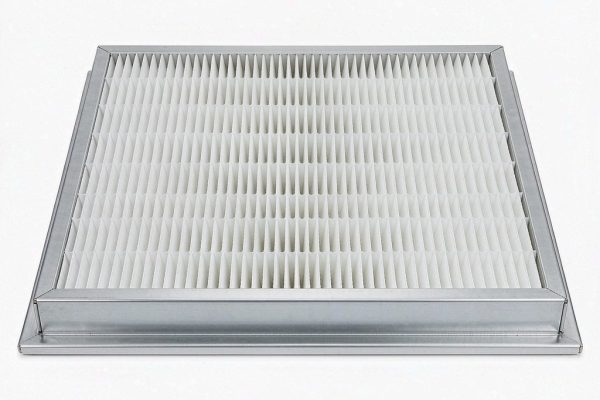
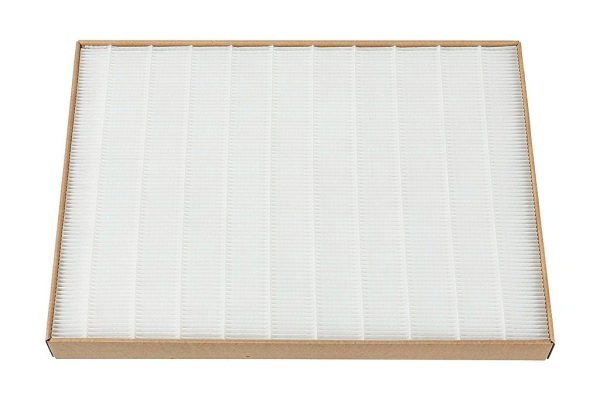
An air filter is a barrier placed in an airstream to remove solid particles-dust, pollen, soot, fibres, bacteria and many viruses-before that air reaches people, equipment or a downstream process. In an HVAC system the same air may be recirculated dozens of times a day, so a filter is the component that keeps that loop clean.
How Filtration Works
No single mechanism captures every particle. Real filters combine four:
- Interception – a particle following the airstream touches and sticks to a fibre.
- Impaction – heavier particles cannot bend around fibres and embed themselves.
- Diffusion – the random Brownian motion of sub-micron particles throws them onto fibres (dominant in HEPA media).
- Electrostatic attraction – charged synthetic fibres pull in oppositely charged particles, boosting capture at low resistance.
Three Numbers That Define a Filter
| Term | What it means | Why it matters |
|---|---|---|
| Efficiency | Share of particles removed, by size | Higher = cleaner air, but usually higher resistance |
| Pressure drop (ΔP) | Fan energy needed to push air through | Lower = lower running cost; rises as the media loads |
| Dust-holding capacity | Mass of particles before end-of-life | Higher = longer service life, fewer changeouts |
Why Every System Needs One
- Protects occupants’ health (allergy, asthma, infection control).
- Protects equipment-coils, fans and sensors last longer when clean.
- Keeps processes on-spec in pharma, food, electronics and labs.
- Reduces cleaning and repaint cycles in industrial buildings.
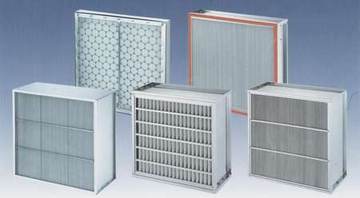
Choosing the right stage-pre, medium or HEPA-is covered in our efficiency-class and application guides.