
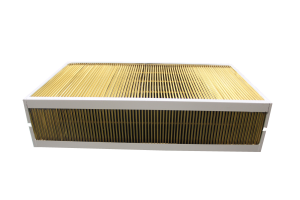
C대향류 공기-공기 열교환기는 두 개의 분리된 공기 흐름 사이에서 혼합하지 않고 열을 이동시키도록 설계된 고효율 열 관리 부품입니다. 뜨거운 공기와 차가운 공기가 반대 방향으로 흐르게 함으로써 열전달 과정 전반에 걸쳐 더 큰 온도 차이를 유지하며, 기존 교차류 설계 대비 더 높은 효율을 달성합니다. 컴팩트한 구조, 신뢰할 수 있는 성능, 우수한 열전달 능력으로 인해 대향류 열교환기는 현대 냉각 및 환기 시스템에 광범위하게 사용됩니다。
에서의 신재생에너지 분야, 대향류 열교환기는 일반적으로 다음에 적용됩니다: 태양광 인버터, 에너지 저장 시스템, PCS 캐비닛, 풍력 터빈 컨버터. 이들은 밀폐된 인클로저를 유지하면서 효율적인 방열을 제공하며, 먼지, 수분, 부식성 공기가 민감한 전기 부품에 들어가는 것을 방지합니다. 이는 야외 환경에서 장비 신뢰성 향상, 부품 수명 연장, 안정적 운전 보장에 기여합니다。
에서의 통신 및 데이터센터 산업, 대향류 열교환기는 냉각에 사용됩니다: 5G 기지국, 통신 캐비닛, 서버실, 전기 제어 캐비닛. 기존 공조에 전적으로 의존하는 대신, 열교환기는 두 공기 흐름을 격리한 상태로 내부 열을 외부 공기로 이동시킵니다. 이는 냉각 에너지 소비를 줄이고 연속 운전 장비를 위한 더 안전하고 효율적인 열 관리 솔루션을 제공합니다。
대향류 공기-공기 열교환기는 또한 다음에 광범위하게 적용됩니다: HVAC 시스템, 주거용 환기, 상업용 건물, 간접 증발 냉각(IEC) 유닛. 배기 공기로부터 열을 회수하여 유입되는 신선한 공기에 이동시킴으로써 난방 및 냉방 부하를 줄이고 시스템 전체 효율을 향상시킵니다. 고효율, 낮은 압력 손실, 유연한 소재 선택(알루미늄, 친수성 알루미늄, 에폭시 코팅 알루미늄, 스테인리스강 포함) 등의 이점으로 대향류 열교환기는 에너지 효율적인 냉각 및 환기 적용에 필수적인 솔루션이 되었습니다。
자주 묻는 질문
Where are counter-flow air-to-air heat exchangers used?
They appear wherever two airstreams must exchange heat without mixing: ventilation make-up air, data-center cooling, solar-inverter and energy-storage cabinets, drying tunnels, and cleanrooms. Their compact, high-effectiveness cores suit both HVAC and industrial enclosures.
Why is counter-flow generally more efficient than cross-flow?
In counter-flow the streams move in opposite directions, so a large temperature difference is maintained along the whole plate. Cross-flow streams start parallel and lose driving temperature difference toward the exit, so for the same area counter-flow recovers more energy.
Can a counter-flow core recover both heat and humidity?
A sensible counter-flow core moves temperature only. To recover moisture as well, the plates are made from a selectively permeable membrane or the unit is paired with a desiccant section for total energy recovery.
What should be checked when specifying one?
Review airflow, allowable pressure drop, operating temperature, frost risk in cold supply air, and whether the stream needs to be kept separate for contamination control. These decide plate material, spacing, and core size.
적합한 열교환기 선정
당사 엔지니어가 풍량, 온도, 압력 손실 예산에 맞춰 코어를 설계하고, 적용에 따라 판형·회전식·히트파이프 회수를 선택합니다. 다음을 읽으세요: 열교환기 가이드 , 또는 사양 관련 문의를 주세요.
관련 제품
HVAC 및 환기용 판형·회전식·히트파이프 회수.
공기 및 액체용 대면적 고정 코어.
대풍량용 고효율 에너지 회수.
청정 적용을 위한 수동적·완전 분리 유동.